Image
No-Cost Energy Saving Ideas
Image
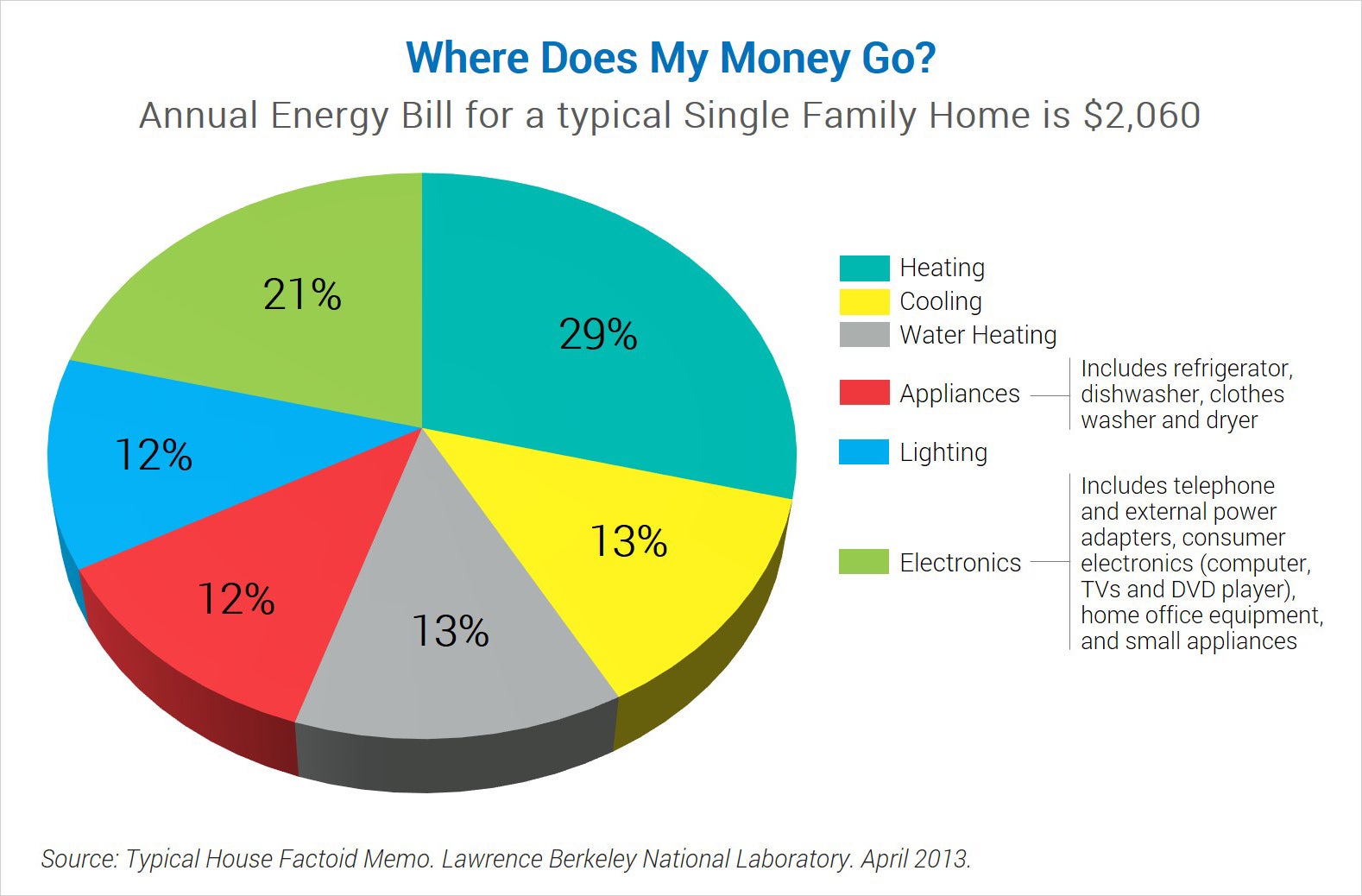
- Set your water heater temperature no higher than 120 degrees.
- Limit your shower length to 5-7 minutes.
- Take the guard off your refrigerator base and clean the dust and debris.
- Set the refrigerator temperature to 34-37 degrees and the freezer to 0 to 5 degrees.
- Unplug or recycle unused refrigerators and freezers.
- Use the air-dry cycle instead of heat-dry on your dishwashers.
- Use cold water when washing clothes.
- Make sure vents are not blocked by furniture or drapes.
- Only do full laundry and dishwasher loads.
- Consider using a clothing line.
- Make sure the outdoor dryer exhaust door closes when the dryer is off.
- Make sure the dryer vent hose is tightly connected to the dryer and wall.
- Ensure your outdoor heat pump/air conditioner unit is kept clean.
- Turn computers, electronics, and any other energy-using device off, or unplug them when not in use.
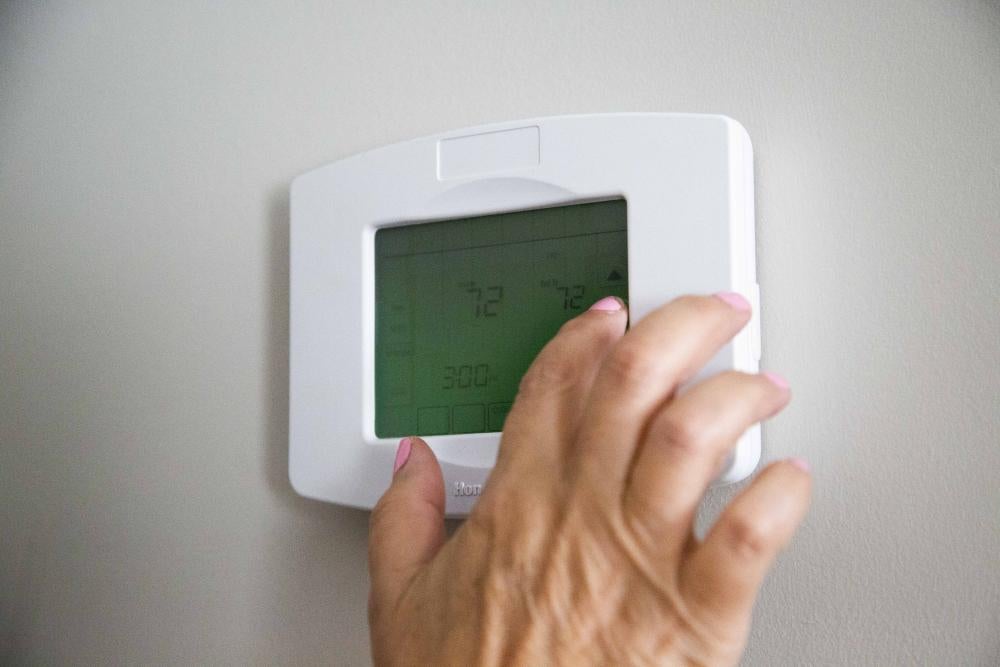
- Set your thermostat to 78 degrees in the summer and 68 degrees in the winter.
- Keep windows closed and locked when heating or cooling your home.
- Close fireplace dampers when not burning a fire. Remember to open them before starting a fire.
- Open your shades during winter days to catch solar heat and close them on winter nights to keep heat in.
- Keep your garage door down. A garage that is warmer in the winter and cooler in the summer will save energy.
Common Energy Saving Mistakes
- Failing to shut off lights and computers.
- Not taking advantage of natural light.
- Skimping on home insulation products.
- Not changing furnace air filters.
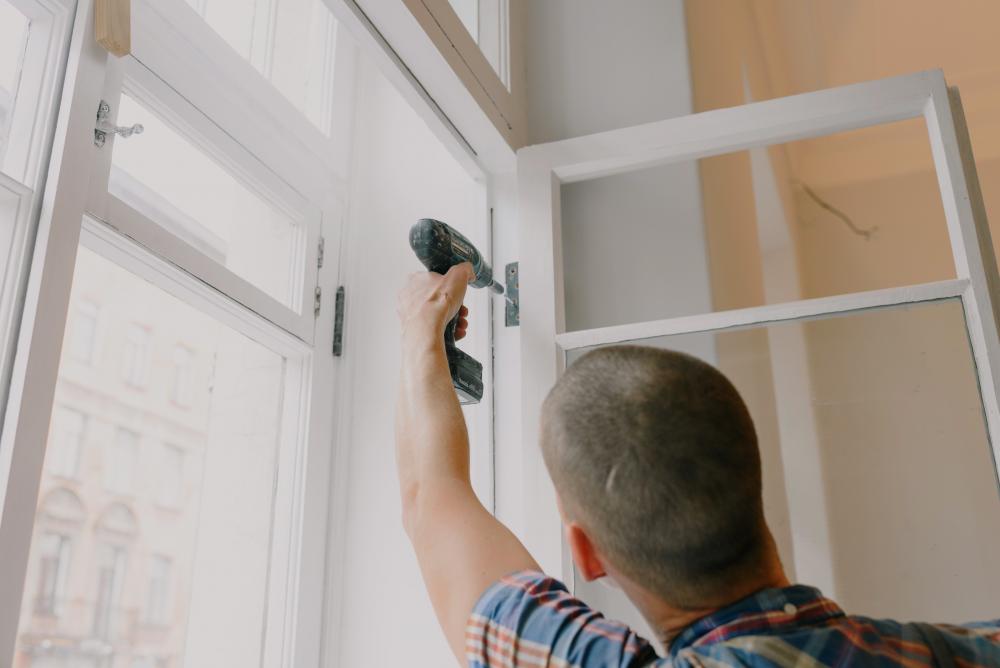
- Ignoring leaks and drafts.
- Closing vents in unused rooms.
- Neglecting regular furnace and AC unit maintenance.
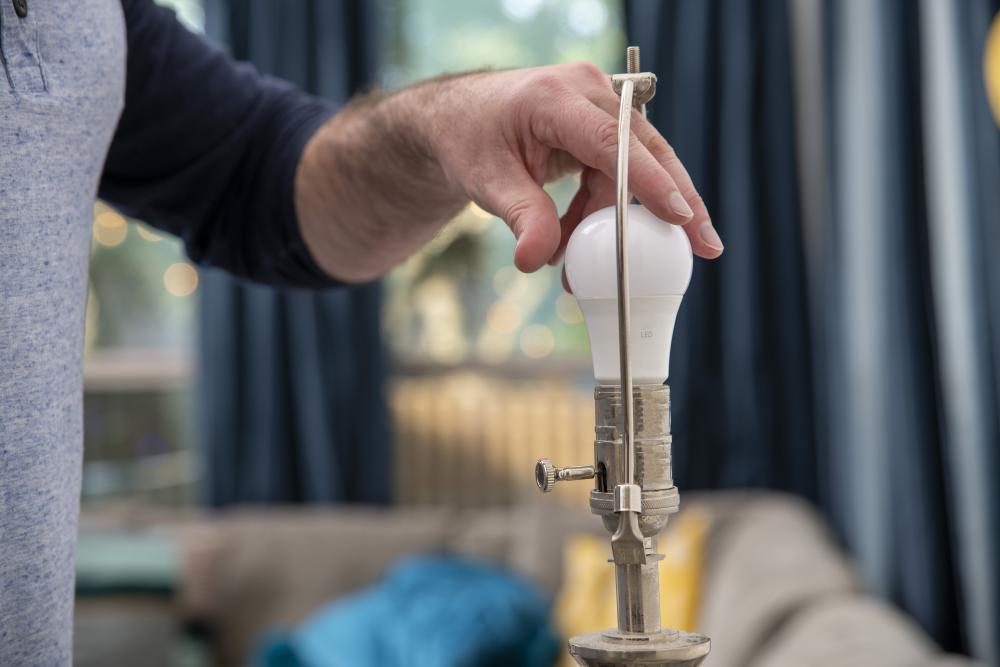
- Not taking advantage of energy efficient light bulbs.